
 Spanish
 English
 Deutsch
 한국어
한국어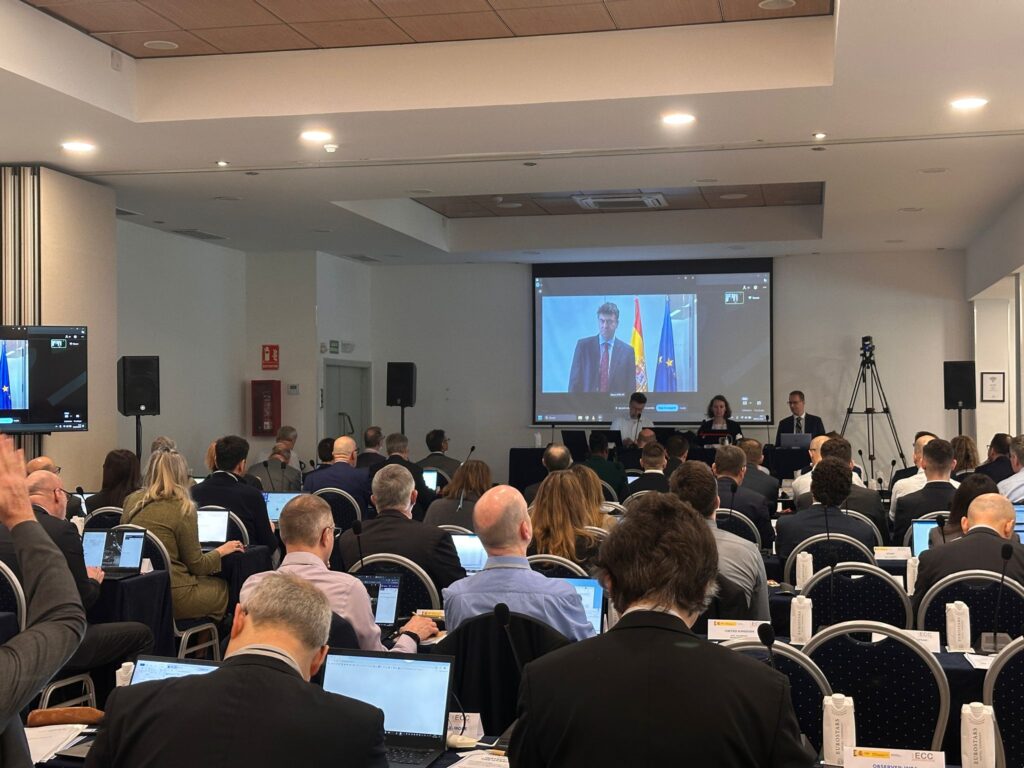
Last Updated on 18 de July de 2026 by S22 Digital
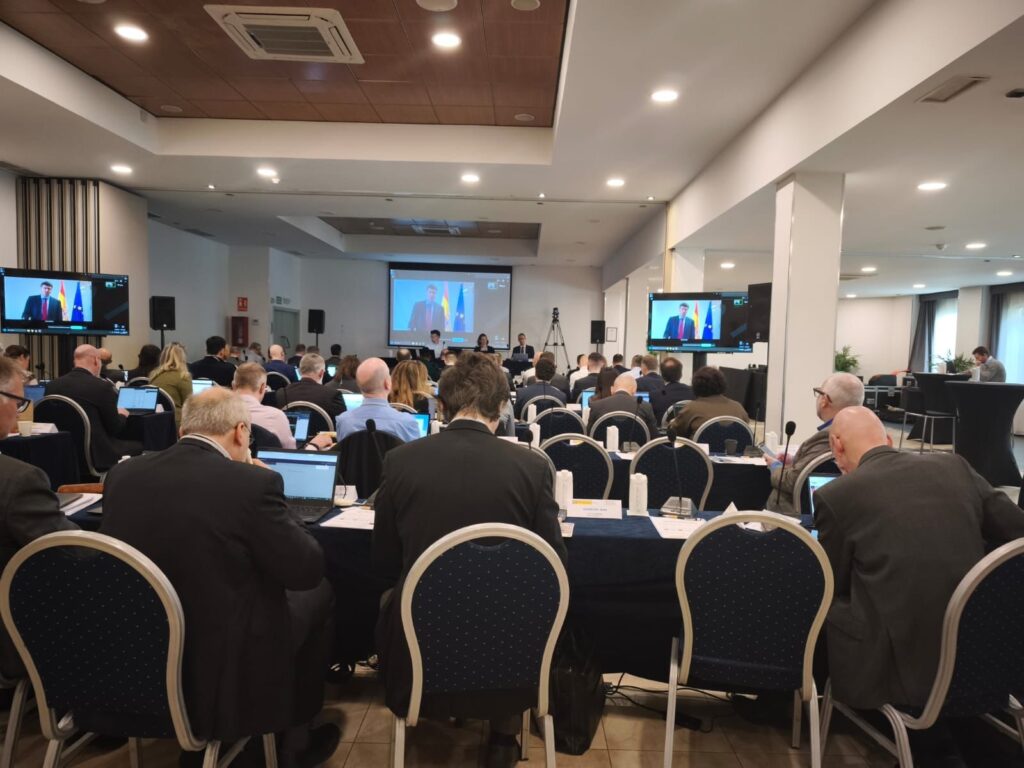
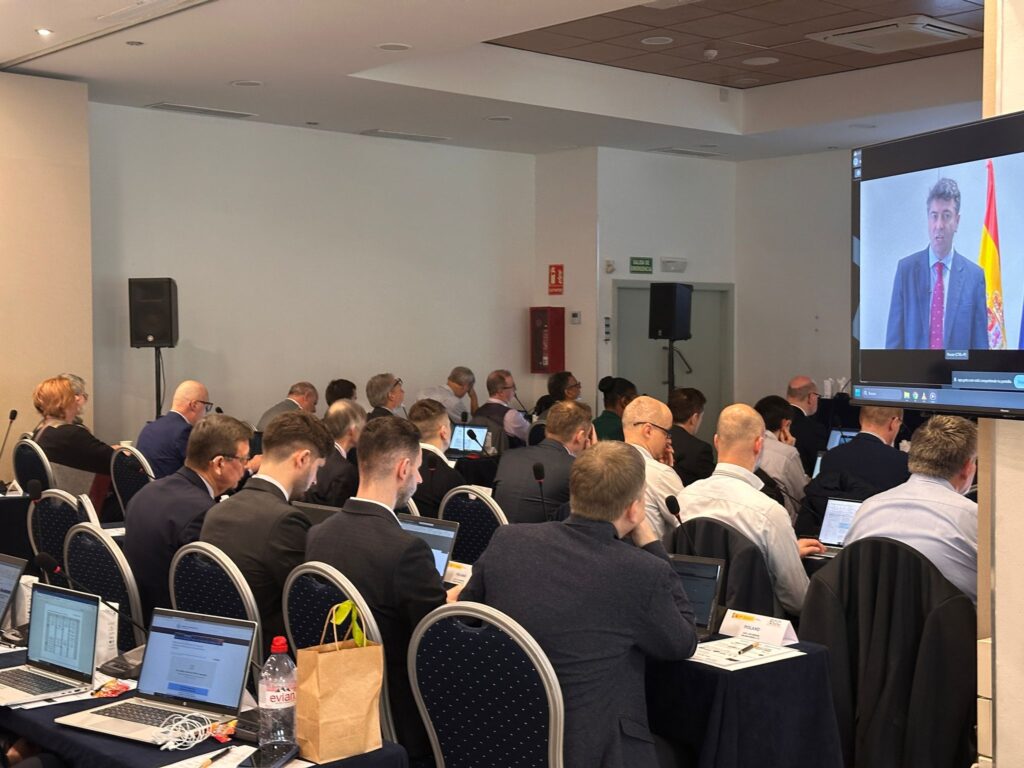
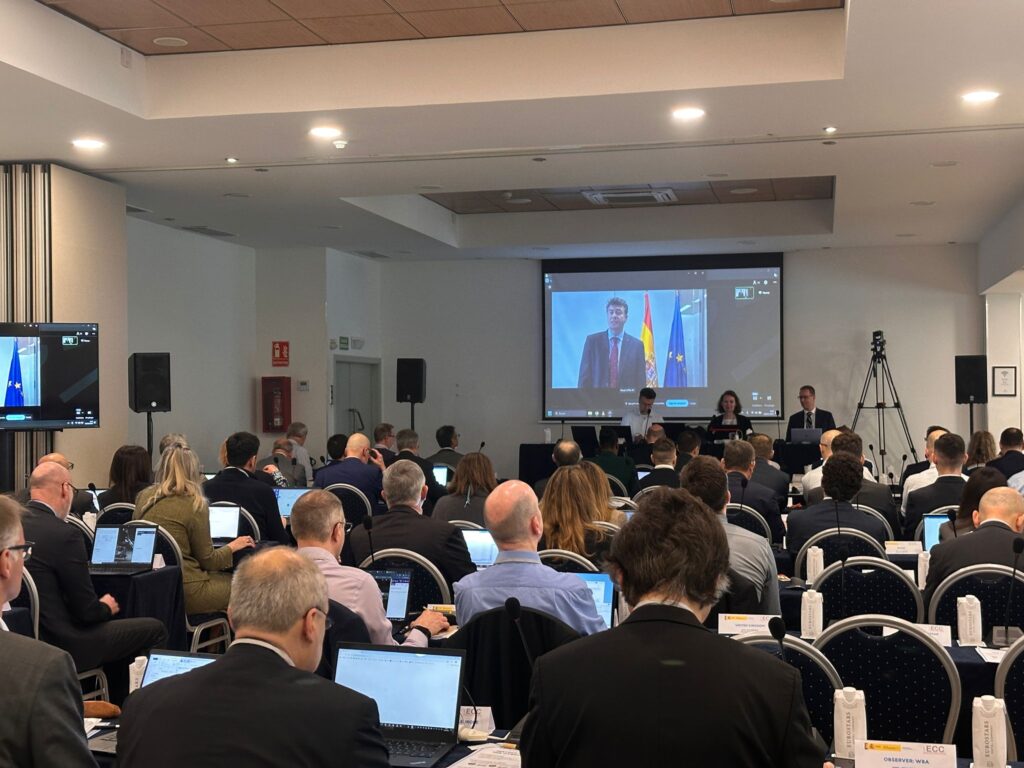
For a week, representatives from more than 15 countries took part in working sessions to develop common policies and regulations for electronic communications in Europe. There was also time to discover the incredible city of Málaga, which blends tradition, culture, natural heritage, gastronomy and also a great deal of technology. The Electronic Communications Committee (ECC) of the European Conference of Postal and Telecommunications Administrations (CEPT) holds regular plenary meetings to coordinate and harmonise policies and regulations in the field of telecommunications and the use of the radio spectrum in Europe. These meetings, known as ECC plenary meetings, are held several times a year and are not limited to a single annual meeting. During these plenary sessions, representatives of the member administrations discuss and adopt decisions, recommendations and technical reports that seek to promote the efficient use of the spectrum and ensure the interoperability of telecommunications networks and services in the region. In addition to the plenary meetings, the ECC organises meetings of various working groups and specialised committees that address specific topics related to spectrum management, service regulation and the planning of future technologies.
About the ECC
ECC (Electronic Communications Committee) is the Electronic Communications Committee within the European Conference of Postal and Telecommunications Administrations (CEPT). Its main function is to develop policies, regulations and technical recommendations to ensure the efficient use of the radio spectrum and electronic telecommunications in Europe.
Main functions of the ECC:
- Radio spectrum management: It coordinates the allocation and use of the spectrum in Europe to avoid interference and ensure harmonious coexistence between radiocommunication services.
- Regulations for electronic telecommunications: It develops technical recommendations and regulations in areas such as mobile telephony, the internet, satellite services, broadcasting and emerging technologies (5G, IoT, etc.).
- International cooperation: It works with the International Telecommunication Union (ITU) and the European Commission (EC) to align regulations and standards at global and regional level.
- Innovation and digitalisation: It assesses new technologies and their impact on the spectrum and telecommunications in Europe.
The ECC is key to the harmonisation of telecommunications in Europe and to ensuring that networks and services are efficient, secure and compliant with international standards.