
 Spanish
 English
 Deutsch
 한국어
한국어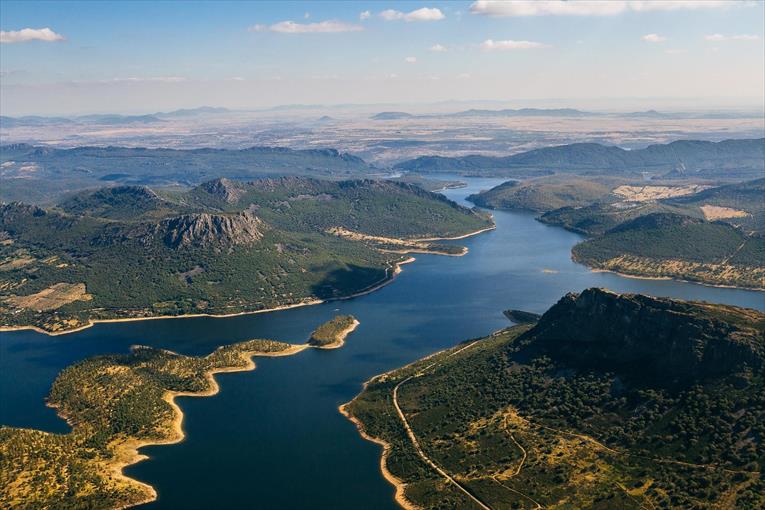
Last Updated on 18 de July de 2026 by S22 Digital
Ecotourism has become an increasingly popular option for those seeking meaningful and sustainable travel experiences. This approach seeks to minimise environmental impact while promoting conservation and respect for local biodiversity. A notable example of the intersection between environmental preservation and responsible tourism is La Siberia, a Biosphere Reserve that highlights the importance of the balance between human activity and nature.
La Siberia: A Natural Sanctuary
La Siberia is located in the province of Badajoz, Spain, and covers a vast area of great natural beauty and rich biodiversity. Designated a Biosphere Reserve by UNESCO, La Siberia has become a model of how careful management of human tourism can contribute to environmental protection.
The Importance of Ecotourism
Ecotourism is distinguished by its focus on conservation, education and sustainability. In La Siberia, ecotourism not only gives visitors the opportunity to enjoy stunning landscapes, but also plays a crucial role in preserving the local flora and fauna.
1. Biodiversity Conservation
Ecotourism promotes responsible practices that minimise the negative impact on ecosystems. In La Siberia, tourists are guided along carefully designed trails to avoid sensitive areas, thus protecting the unique biological diversity that characterises the region.
2. Sustainable Development
Responsible tourism seeks not only to protect nature, but also to benefit local communities. In La Siberia, ecotourism initiatives generate local employment, encouraging the community’s participation in the sustainable management of their natural resources.
3. Environmental Education
Ecotourism offers valuable educational opportunities. Visitors to La Siberia can take part in educational programmes that highlight the importance of conservation and the vital role each individual plays in preserving the environment.
Challenges and Commitments of Ecotourism
Despite its benefits, ecotourism also presents challenges. Effectively managing the influx of tourists, preventing pollution and promoting sustainable behaviour are critical aspects. In La Siberia, the authorities work closely with local communities and environmental experts to address these challenges and ensure that tourism remains a positive force for the region.
Balance between human action and nature – Ecotourism
La Siberia exemplifies how ecotourism can transform a region into a model of sustainability and conservation. With this model of tourism, the aim is to make the enjoyment of nature compatible with respect for the balance of the environment. By embracing responsible tourism practices, La Siberia not only protects its valuable ecosystems, but also improves the quality of life of local communities. This balanced approach between tourism and preservation highlights the importance of caring for our environment while enjoying the beauty and diversity that the natural world has to offer. Moreover, La Siberia teaches us that conscious tourism can be a vital ally in protecting our planet.