
 Spanish
 English
 Deutsch
 한국어
한국어Last Updated on 17 de July de 2026 by S22 Digital
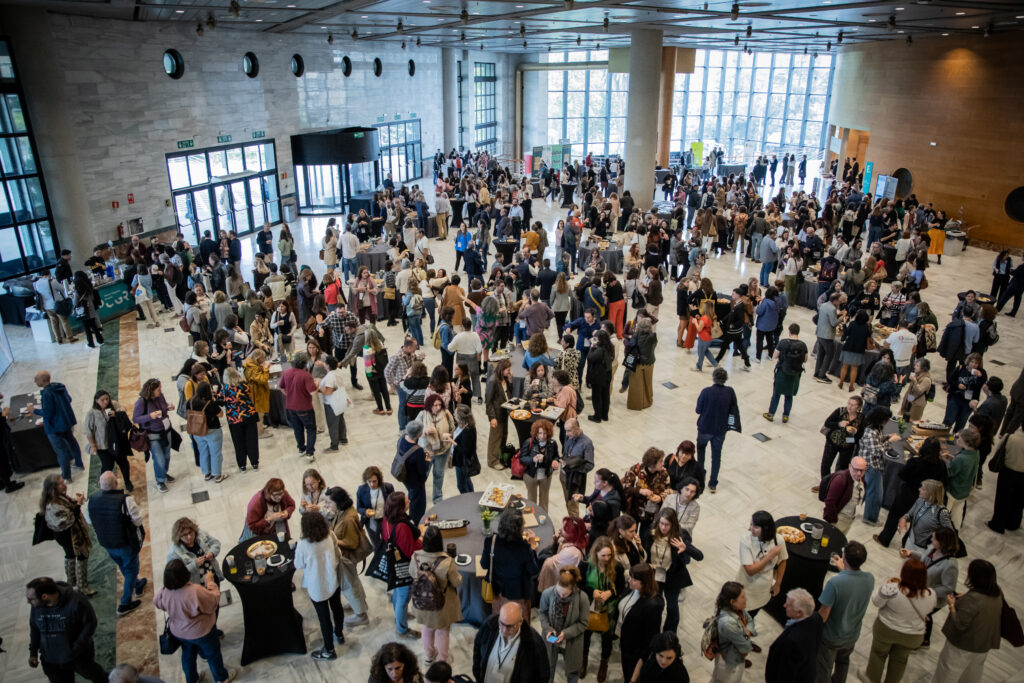
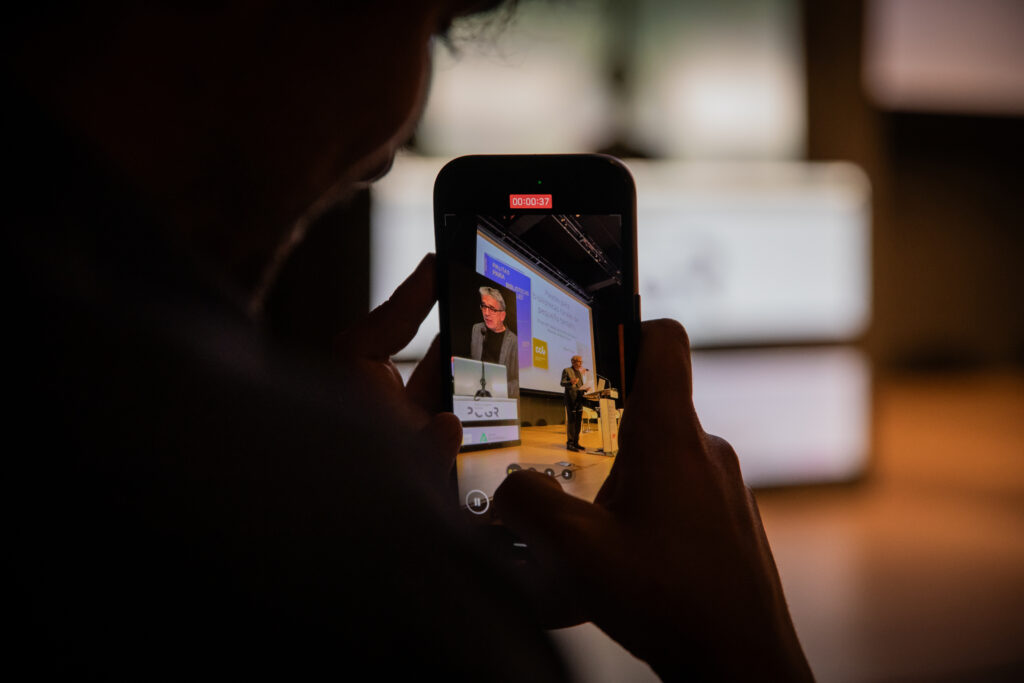
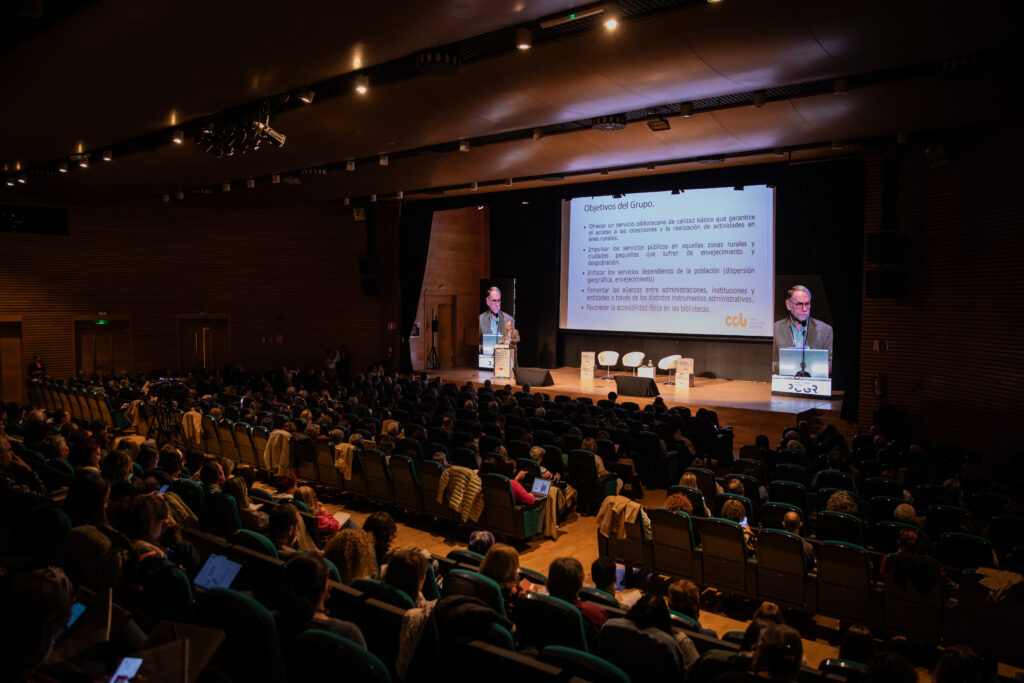
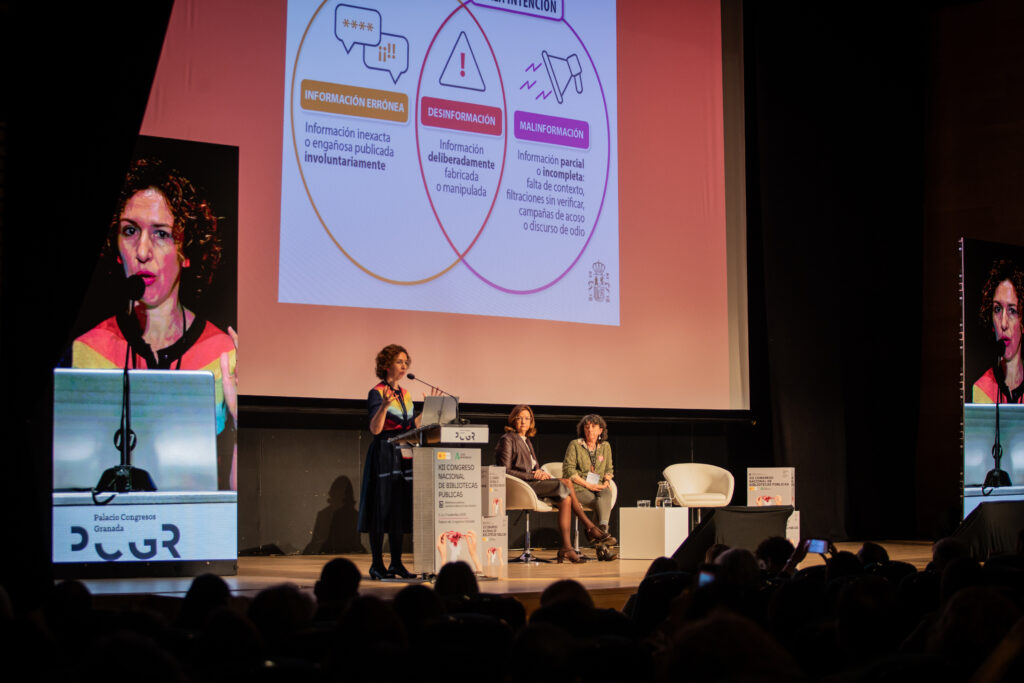
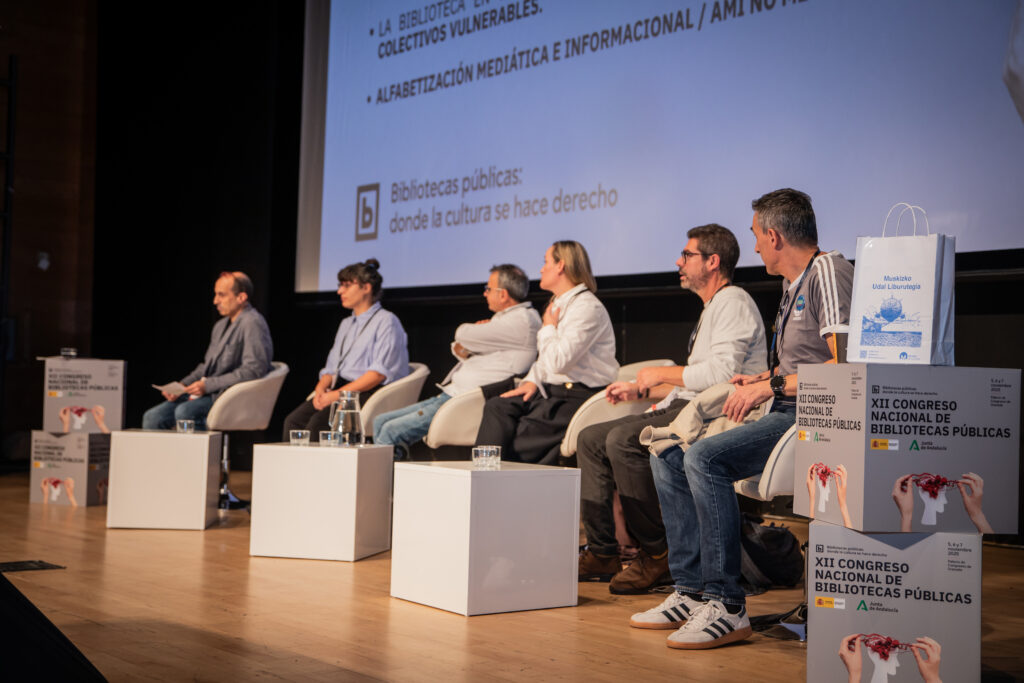
The 12th National Congress of Public Libraries was held on 5, 6 and 7 November 2025 at the Palacio de Congresos in Granada, under the theme “Public libraries: where culture becomes a right”. Over three days, library professionals, institutional representatives and national and international experts addressed the role of public libraries in guaranteeing cultural rights, the fight against disinformation and censorship, and the incorporation of new technological tools such as artificial intelligence.
The opening session took place on Wednesday 5 November. The day began with the institutional presentation and opening, which gave way to an inspiring talk by Luis García Montero, poet and director of the Instituto Cervantes, who set the reflective framework for the congress. This was followed by the talk “Cultural rights and libraries in the European context: public libraries in the Rural Work Plan” by the Consejo de Cooperación Bibliotecaria (Library Cooperation Council), which presented specific guidelines for small libraries.
The session then turned to media and information literacy with the presentation of the European project Media and Information Literacy Community Connections, delivered by Nereida Carrillo, journalism lecturer at the Universidad Autónoma de Barcelona and president of the Learn to Check association. Two practical experiences from participating libraries were shared: the Biblioteca Pública Provincial Francisco Villaespesa (Almería) and the Biblioteca Pública Municipal Pare Arques de Cocentaina (Alicante). The morning concluded with an open, participatory debate on “Cultural rights: the role of libraries”, facilitated by Gemma Carbó, president of the Asociación ConArte Internacional.
After lunch, Wednesday afternoon was devoted to a best-practices session that brought together experiences in media literacy through educational video games, cultural mediation with vulnerable groups and media and information literacy programmes.
Thursday 6 November opened with the talk “Reading and neuroscience”, by Dr Diego Emilio Redolar Ripoll, lecturer in Neuroscience and director of the Psychology Degree at the Universitat Oberta de Catalunya. This initial reflection gave way to a round table on “Collection policies, political interference and censorship”, moderated by Margarita Pérez Pulido, senior lecturer at the Universidad de Extremadura. It featured Josep Vives Gràcia, Cristina Rubal González, Antonio Morales Comalat and Francesc Xavier González-Cuadra, who provided the perspective of different administrations and bodies responsible for library services and for the defence of free access to information.
After the coffee break, a broad debate was held under the title “Libraries against disinformation and censorship in today’s world”, moderated by Felicidad Campal García. Speakers included Vickery Bowles, Director of the Toronto Public Library; Claudia Șerbănuță, president of the Communities of the Future association (Romania); and Sara Martínez Cardama, senior lecturer at the Universidad Carlos III de Madrid. The afternoon session presented work on libraries against disinformation, libraries as spaces of democracy, the transition “from the book to the algorithm” and professional presence on social media.
The final day, Friday 7 November, was structured around a block of practical workshops and a parallel session. The workshops addressed topics such as collaborative problem-solving strategies (“Rutas de conexión”), turning the library into a publisher (“Granada en re-construcción”), the analysis of proverbs and their presence in everyday life (“¿PAREMIOKÉ? Los refranes que nos acompañan”), the methodology for a forward-looking analysis of municipal public libraries based on statistics, and strategies to strengthen ties with the local community (“Gánate al vecino: estrategias para ser imprescindibles”). In parallel, from 9:00 to 10:30, a specific session was held dedicated to the experiences of libraries that have taken part in these programmes, with the aim of sharing diagnoses and working tools on the present and future of public libraries in relation to cultural rights, media literacy, collection management and adaptation to emerging technological challenges.