
 Spanish
 English
 Deutsch
 한국어
한국어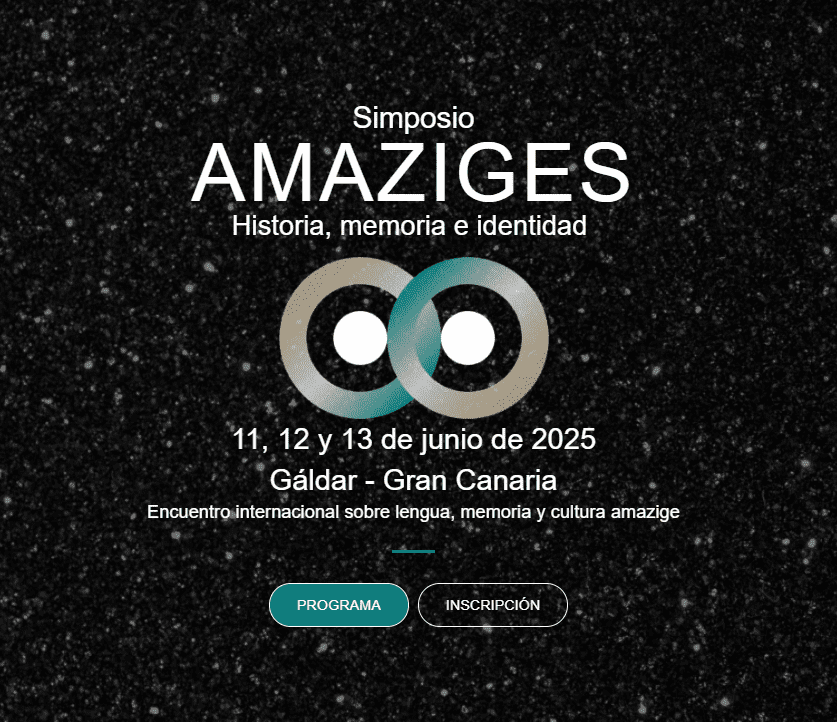
Last Updated on 17 de July de 2026 by S22 Digital
-
Gáldar, Gran Canaria
-
June 11–13, 2025
-
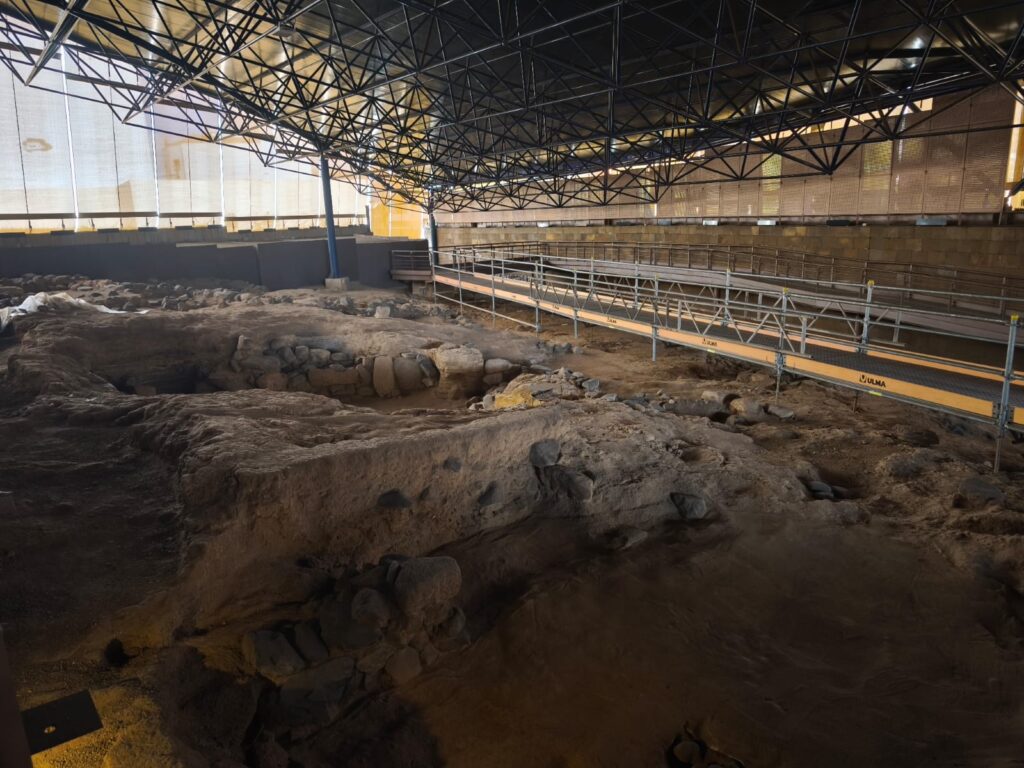
Venues: Painted Cave Museum and Archaeological Park · Gáldar Town Hall Theater
From S22 Digital, it has been a true honor to take part in the conceptualization, organization, and execution of such a meaningful event as this international symposium, which turned Gáldar into the epicenter of Amazigh thought, memory, and culture for three intense days.
June 11 | Language and Linguistic Heritage
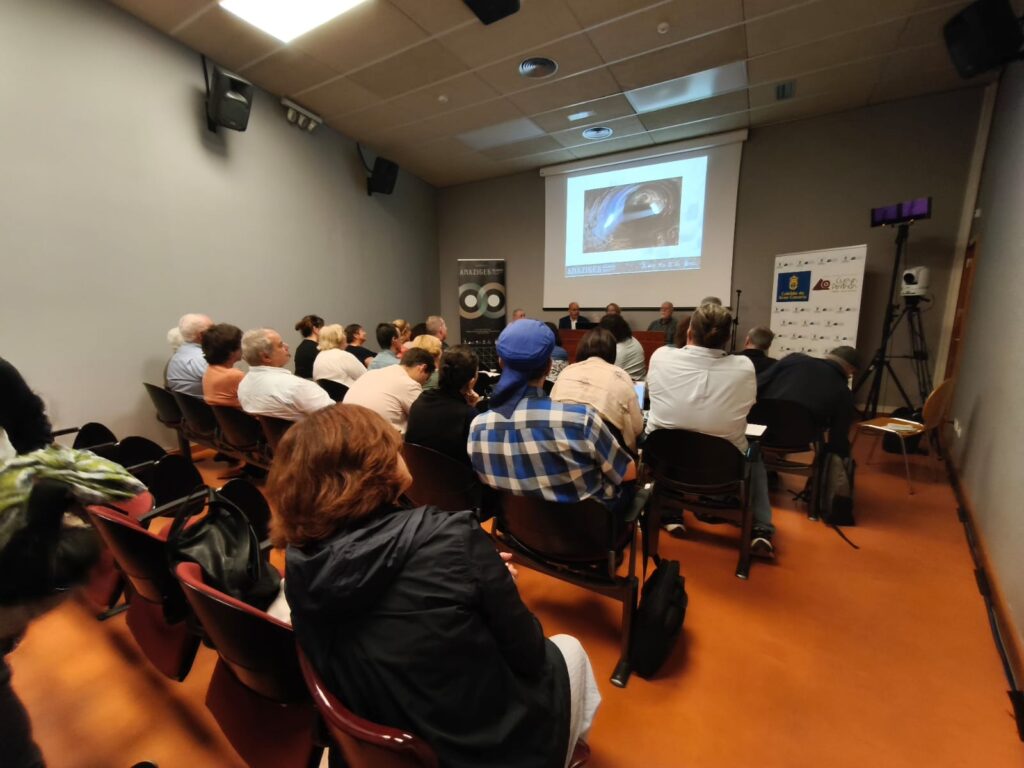
The opening session was held in the Conference Room of the Painted Cave, under the coordination of Malika Assam. It addressed the current state of the Amazigh language, its contemporary challenges, and its connection with the Canary Islands and Melilla.
- Meftaha Ameur opened the session with a presentation on the challenges of revitalizing the Amazigh language in the modern world.
- He was followed by Carles Múrcia, who offered a critical review of what we know about the ancient Amazigh language.
- Rumen Sosa provided a historical overview of the Amazigh presence in the Canary Islands.
- Mohand Tilmatine explained how, in the case of Melilla, Amazigh is positioned as a European language.
A final dialogue space allowed for meaningful exchanges between specialists and attendees.
June 12 | Archaeology and History
The day was divided into two sessions. In the morning, Juan Francisco Navarro Mederos coordinated a panel on the historical evolution of the Amazigh people.
- Jorge Onrubia highlighted the relationship between historical linguistics and archaeology in understanding Amazigh origins.
- Mansour Ghaki addressed historical terminology related to the Indigenous peoples of North Africa.
- Abdallah Fili and Helena de Felipe explored the traces of the Berbers in the Middle Ages and in al-Andalus, both in texts and archaeological findings.
In the afternoon, Mansour Ghaki moderated a second session focused on Amazigh identity in the Canary Islands and contemporary identity.
-
Verónica Alberto explained the particularities of Amazigh populations in the islands.
-
Malika Assam analyzed Amazigh self-identification from the 15th to the 21st century.
-
Juan Francisco Navarro explored the identity elements still present in the Canary Islands.
-
Renata Springer concluded with a review of Berber written testimonies throughout history.
June 13 | Anthropology, Creativity, and Closing Session
The final day began with a morning session coordinated by Meftaha Ameur, focusing on social dynamics within Amazigh communities.
-
El Khatir Aboulkacem presented on the situations in Morocco’s Anti-Atlas and Rif regions.
-
Dahbia Abrous presented a comparative study on social organization in Kabylia, Aurès, and Mzab.
-
Neila Saadi spoke about the Amazigh cultural aspects in Tunisia and Libya.
-
Hélène Claudot-Hawad raised awareness about the plight of the Tuareg people, highlighting their status as a threatened community.
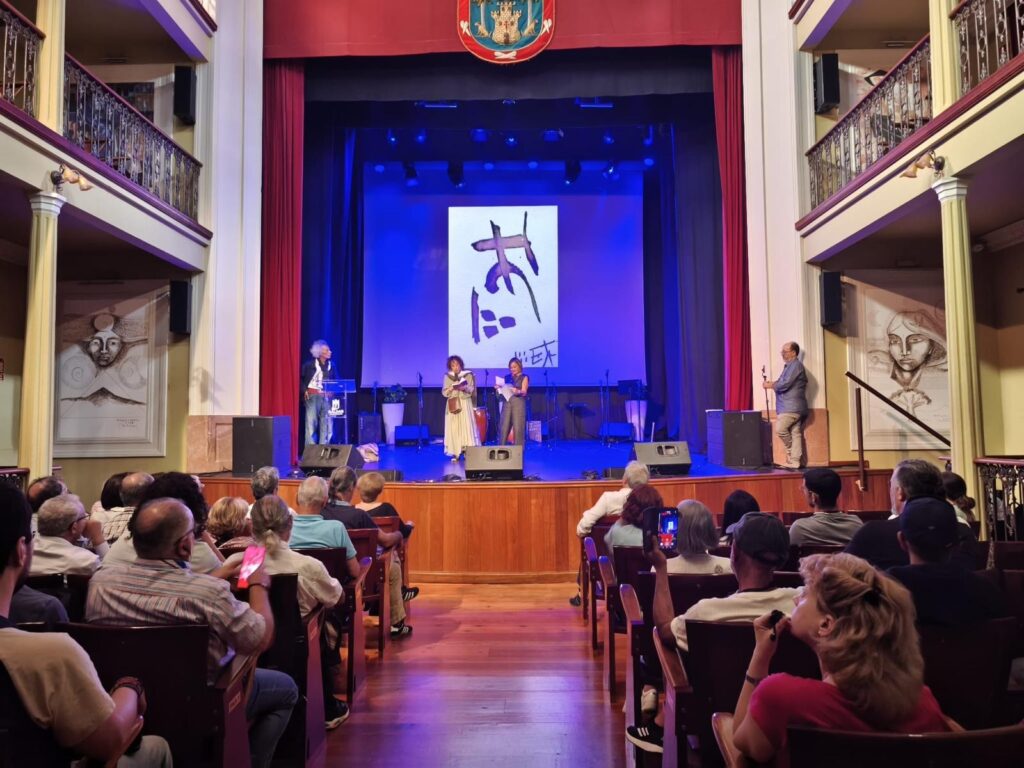
In the afternoon, the symposium moved to the Gáldar Town Hall Theater, where art took center stage.
- The Tuareg poet Hawad presented his performance Furigraphy to Resist the Suffocation of Horizons.
- The painter and poet Lahbib Fouad presented Memory of the Stones, a visual and poetic work of great symbolic power.
The closing roundtable, moderated by Jorge Onrubia, brought together prominent voices to discuss the present and future of the Amazigh world.
Finally, a festive concert brought the symposium to a close with the sounds of Ithri Moraima (Melilla) and the Canarian groups Arife and Ínsula, celebrating cultural diversity through music.
Final Reflection
This gathering offered not only academic knowledge, but also emotion, art, and intercultural dialogue. At S22 Digital, we are deeply grateful to have been part of this initiative that reclaims identities, promotes diversity, and builds bridges between continents and generations.
You can read more about the Symposium on its official website.