
 Spanish
 English
 Deutsch
 한국어
한국어
Last Updated on 17 de July de 2026 by S22 Digital
The 8th Meeting of Cities for Road Safety and Sustainable Mobility took place on 27 and 28 November 2025 at the IFEBA exhibition centre in Badajoz. It is organised by the Dirección General de Tráfico (DGT), the Federación Spanisha de Municipios y Provincias (FEMP) and Badajoz City Council.
This forum is conceived as a benchmark space for sharing experiences, reflecting and proposing safer, more sustainable and inclusive urban mobility policies.
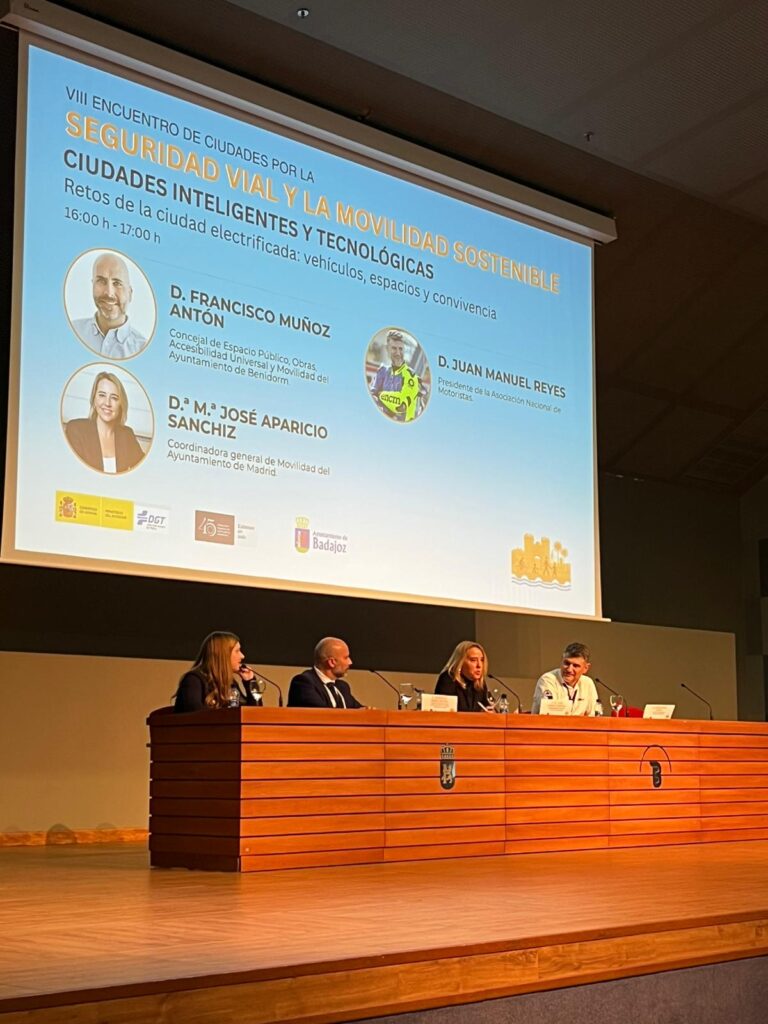
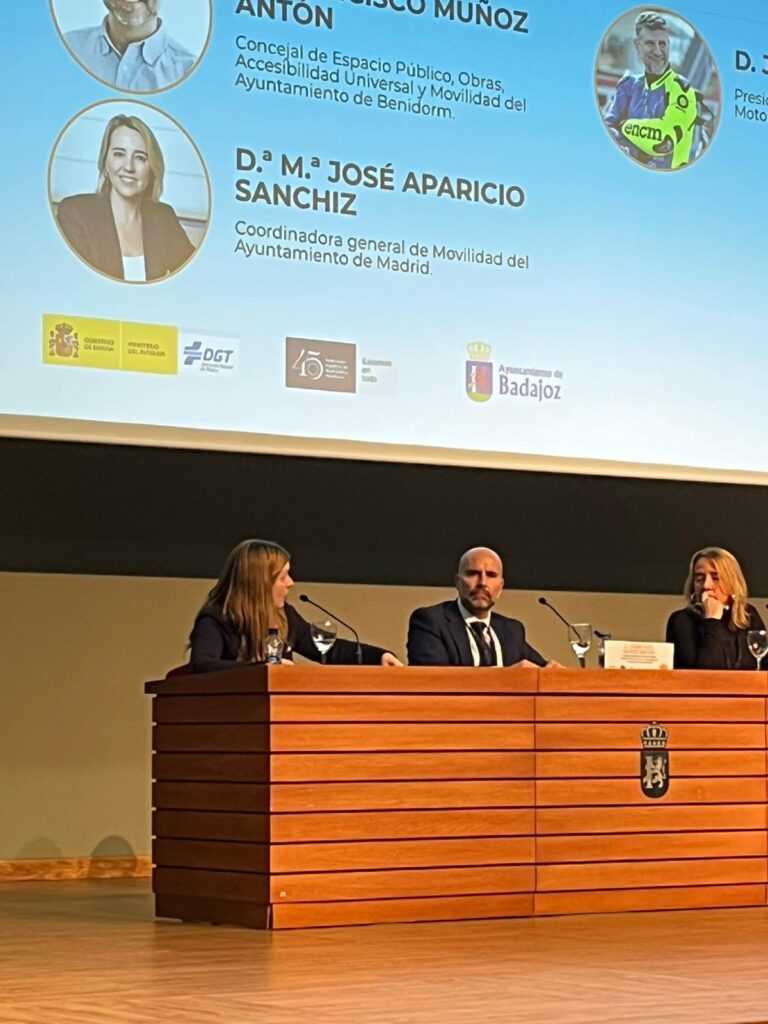
Agenda: Themes and Content of the Debate
The programme was structured around four main thematic areas:
- Human, safe and inclusive cities: the debate covered urban coexistence, pedestrian and cycling mobility, traffic calming, universal accessibility and the design of safe public spaces.
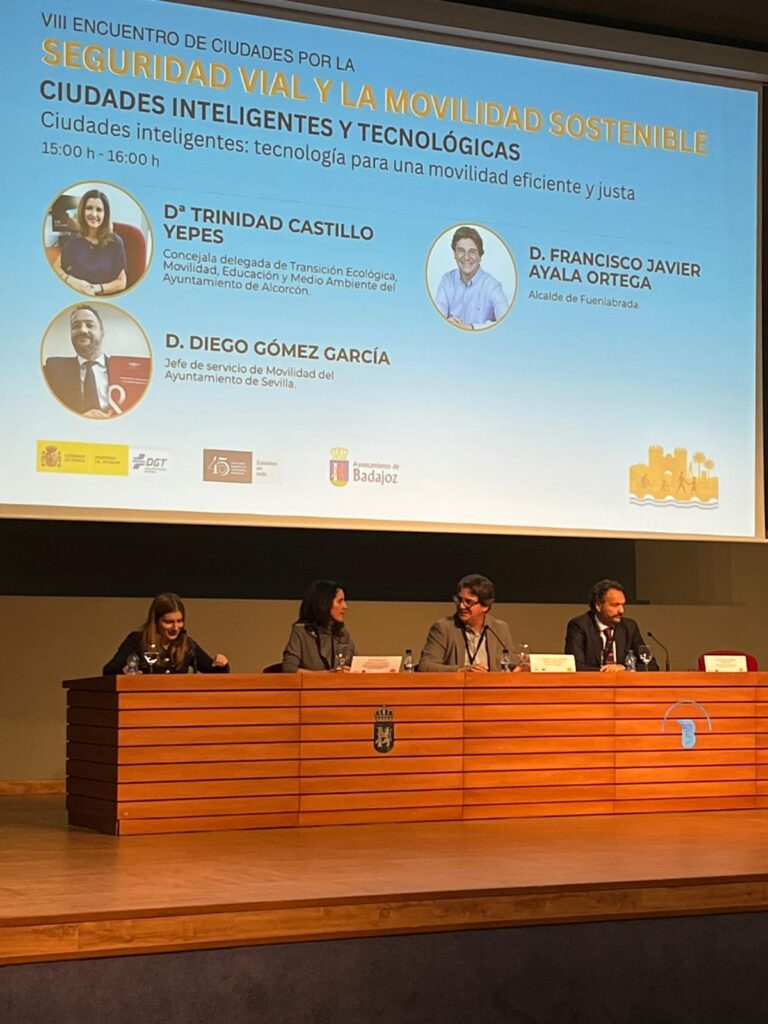
- Smart and technological cities: technological solutions were explored to improve traffic management, public transport, interoperability, micromobility systems, Low Emission Zones and the use of real-time data.
- Logistics, work-related and tourism mobility: the challenges of the “last mile”, the distribution of goods in urban environments, sustainable logistics (electric vehicles, cyclelogistics) and the integration of tourism mobility and its coexistence with urban space were addressed.
- Cultural changes, shared mobility and regulations: the debate covered alternatives to the private car (shared transport, car-pooling, on-demand public transport), the regulation of new modes of transport, and how to incorporate road safety criteria into public procurement.
There were panels with municipal representatives from various cities (Seville, Badajoz, Barcelona, Cartagena, Valencia, Pontevedra, etc.), cyclists’ associations, mobility managers, Local Police, logistics experts, and public and private sector stakeholders.
- At the opening, authorities such as the Mayor of Badajoz, Ignacio Gragera, the Director-General of Traffic, Pere Navarro, and the Secretary-General of the FEMP, Luis Martínez-Sicluna, took part.
- The discussions focused on urban design based on “proximity”: bringing services and transport closer to daily life and prioritising pedestrians, cyclists and vulnerable groups such as the elderly and children.
- The need to strengthen public transport and micromobility was defended, as well as to plan charging infrastructure and urban spaces in the face of the expansion of electric mobility.
- The importance of the “last mile” of logistics was also raised: rethinking the distribution of goods in cities, combining efficiency, sustainability and safety.
- Finally, it was stressed that reducing the use of the private car and promoting shared mobility models can help curb depopulation in medium-sized municipalities and improve territorial cohesion.
The Meeting shows that urban mobility policies are no longer thought of solely from the perspective of traffic management or safety, but from a comprehensive vision: more liveable, accessible, inclusive and sustainable urban spaces.
Furthermore, it reinforces the idea that urban transformation requires integrating citizens, administration, companies and technology — regulating is not enough; it is necessary to plan with a vision for the future.